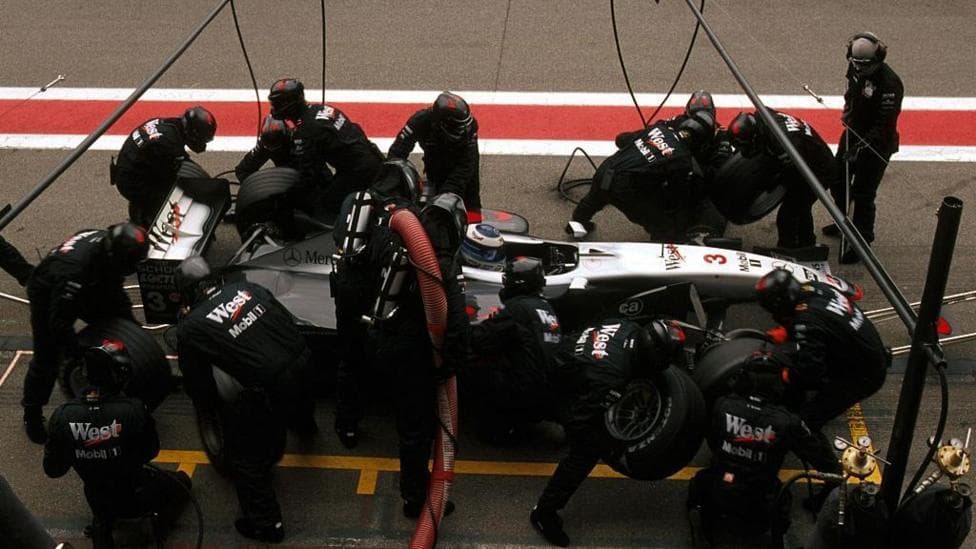
A groundbreaking connection between Formula 1 and patient care emerged in 2001 after a McLaren pit crew completed a record-breaking seven-second stop at the Spanish Grand Prix. Observing this precision from a hospital break room, Dr.
Martin Elliott and his team at Great Ormond Street Hospital (GOSH) drew inspiration to overhaul their surgical-to-ICU handover process. By adopting F1’s structured roles, clear communication protocols, and rigorous checklists—modeled after pit crews’ organized workflows—they transformed medical transitions into a flawless, error-minimized system.
A 2007 study by GOSH and Oxford University confirmed the changes slashed technical mistakes, information gaps, and handover delays, proving the racing world’s efficiency could save lives in critical care settings. The approach later spread to neonatal resuscitation programs, including a collaboration between Williams F1 and the University Hospital of Wales, where video analysis exposed chaotic emergency responses.
Standardizing roles and equipment placement—directly mirroring pit-crew strategies—dramatically improved response times and accuracy, demonstrating how high-speed racing innovations could redefine healthcare operations beyond the track.
 Cleveland Guardians
 Tampa Bay Rays
 Pakistan
 Sri Lanka
 England
 Afghanistan
 Bangladesh
 Tampa Bay Lightning
 Seattle Kraken
 Florida Panthers
 Vancouver Canucks
 Toronto Maple Leafs
 Buffalo Sabres
 Ottawa Senators
 New York Islanders
 New Jersey Devils
 New York Rangers
 Detroit Red Wings
 Philadelphia Flyers
 Los Angeles Dodgers
 Milwaukee Brewers