Playoffs will eventually demand more from the Dodgers offense
October 7, 2026
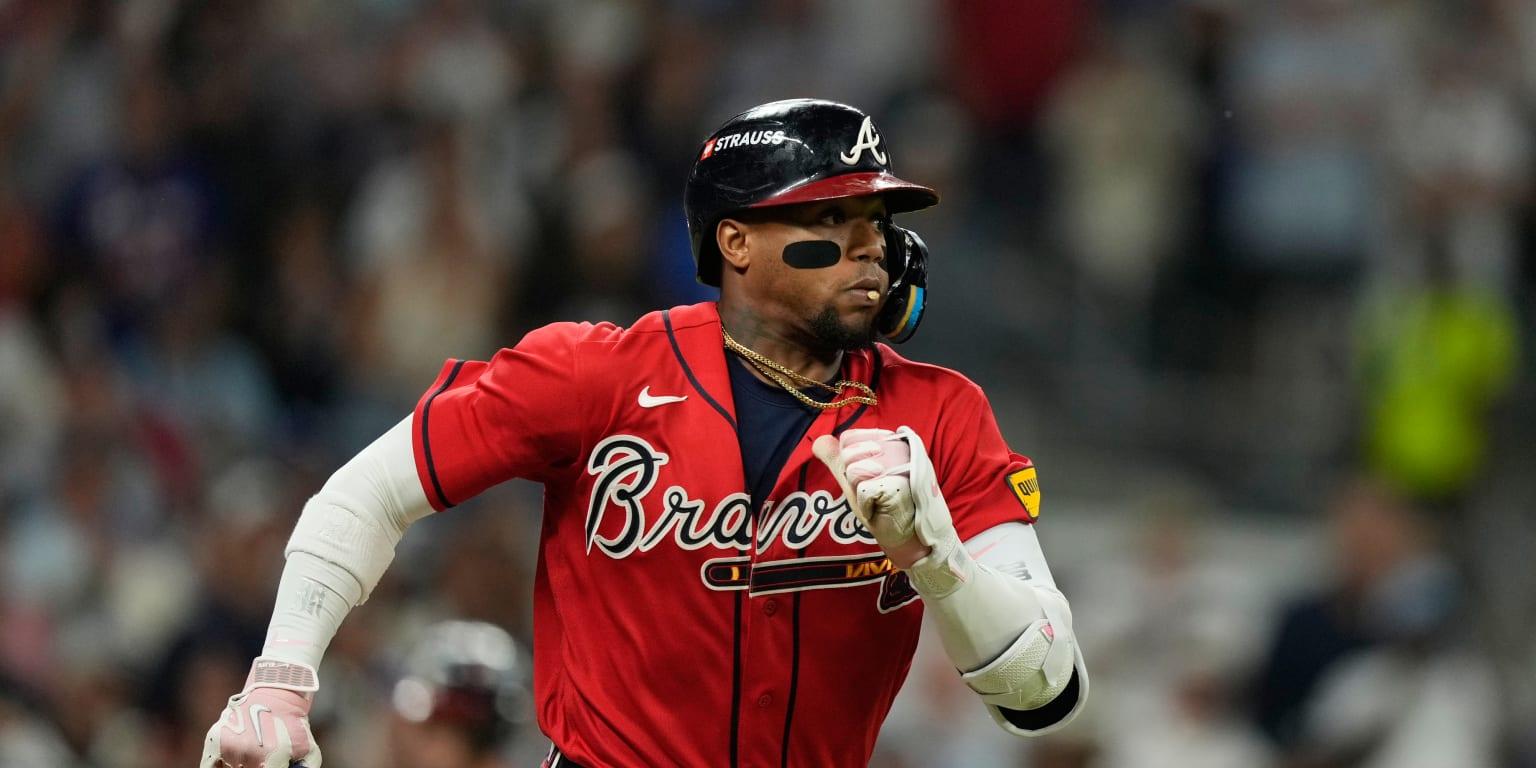
The Los Angeles Dodgers’ path to another World Series title hinges on their ability to evolve beyond a one-dimensional offensive approach, one that has relied almost entirely on power hitting rather than consistent run production. In their latest series against the Atlanta Braves, the Dodgers managed to secure a narrow victory in Game 3 at Truist Park, but their offensive struggles persisted beyond the initial rally.
While they scored three runs off Chris Sale in five innings—sparked by Kiké Hernández’s two-run homer—they failed to capitalize on multiple opportunities, leaving the door open for Atlanta’s bullpen to stifle them in later frames. The Dodgers went entirely silent against four different Braves relievers, forcing their own pitchers, including dominant starters Tarik Skubal and Julio Urías, to shoulder the burden of keeping the game close.
Their inability to string together hits and manufacture runs has become a recurring issue, even against elite pitchers like Sale and Didier Fuentes, who have allowed them to reach base but not convert those chances into meaningful offense.
The Dodgers’ bullpen, though effective, remains a potential weak link, especially if Atlanta’s Tyler Glasnow deviates from his postseason form. Their two top relievers, Tanner Scott and Edwin Díaz, performed adequately in Game 3 but lack the unshakable reliability that could be decisive in a longer postseason.
The offense’s reliance on clutch long balls—rather than small-ball tactics or sustained pressure—has left them vulnerable, particularly when facing high-leverage situations. With the stakes rising in the postseason, the Dodgers must find a way to generate runs more consistently, or their championship aspirations could be derailed by a single misstep from their pitching staff.
 Manchester United FC
 Tottenham Hotspur FC
 Liverpool FC
 Manchester City FC
 Khan Research Laboratories
 State Bank of Pakistan
 Hyderabad Kingsmen Academy
 Sui Northern Gas Pipelines Limited
 Ghani
Ghani Pakistan Television
 Oil & Gas Development Company Limited
 Victoria
 South Australia
 Chicago White Sox
 Cleveland Guardians
 Atlanta Braves
 Los Angeles Dodgers
 Indiana Pacers
 Minnesota Timberwolves
 Washington Capitals
 Pittsburgh Penguins
 Winnipeg Jets
 Colorado Avalanche
 New York Yankees
 Tampa Bay Rays
 Oklahoma City Thunder
 Milwaukee Bucks